
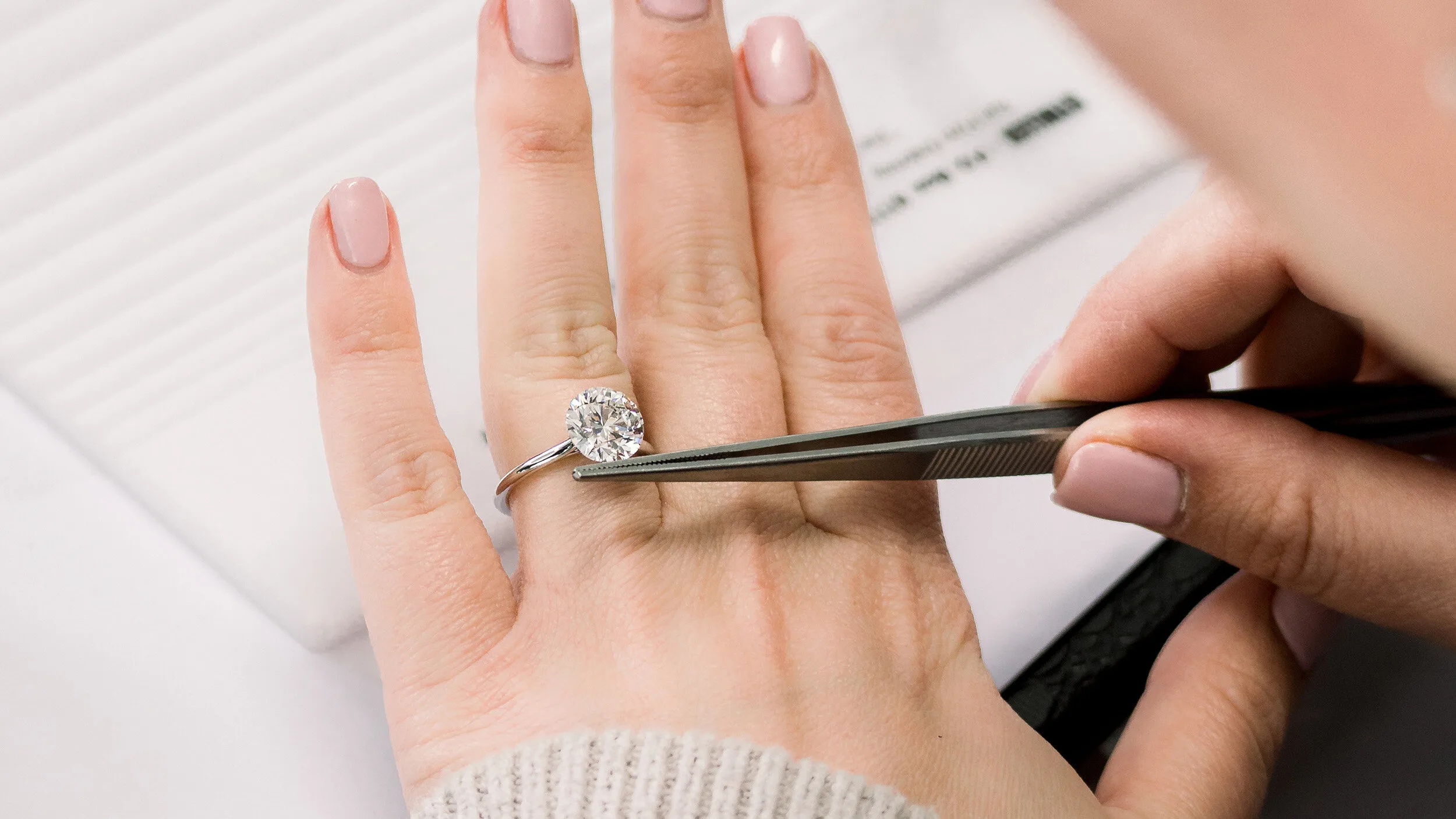
The Perfect Fit: Your Comprehensive Ring Size Guide for Lab Grown Diamonds
In the realm of diamonds, the landscape is evolving. With sustainability, ethics, and innovation at the forefront, lab-grown diamonds have emerged as a compelling alternative to their mined counterparts. As more individuals opt for these eco-conscious gems, understanding the nuances of selecting the perfect ring size becomes paramount. Whether you’re embarking on a journey towards lifelong commitment or seeking a statement piece to adorn your hand, this comprehensive ring size guide for lab grown diamonds equips you with the knowledge to make a choice that fits—literally and figuratively.
Table of Contents
Understanding Ring Sizing:
Before delving into the specifics of selecting the ideal ring size for your lab-grown diamond, it’s crucial to comprehend the fundamentals of ring sizing. Rings are typically measured using a standardized scale, with sizes ranging from smaller numbers denoting a smaller circumference to larger numbers representing a larger circumference. The most common scale employed in the United States is based on whole and half sizes, while other regions may utilize different systems.
Factors Affecting Ring Size:
Temperature: Believe it or not, temperature can influence the size of your fingers. Cold weather tends to cause fingers to shrink, while warmer temperatures may lead to slight swelling.
Time of Day: Fingers are known to fluctuate in size throughout the day, often being smallest in the morning and slightly larger by evening.
Dominant Hand: The dominant hand typically has larger fingers than the non-dominant hand, so it’s essential to measure the finger you intend to wear the ring on.
Width of the Band: Wider bands will fit more snugly on the finger compared to narrower bands, so adjustments may be necessary depending on the style of the ring.
Selecting the Perfect Fit:
When it comes to choosing the right ring size for your lab-grown diamond, precision is key. Here’s a step-by-step ring size guide to ensure a perfect fit:
Step 1: Measure Your Finger
Using a flexible measuring tape or a piece of string, carefully wrap it around the base of the finger you intend to wear the ring on. Ensure that the tape or string is snug but not too tight, as this will affect the accuracy of the measurement.
Step 2: Determine the Circumference
Once you’ve wrapped the measuring tape or string around your finger, mark the point where the two ends meet. Measure the length of the string in millimeters to determine the circumference of your finger.
Step 3: Consult the Ring Size Chart
Refer to a reliable ring size chart that corresponds to the measurement you obtained. Be sure to account for any differences between sizing systems if you’re using a chart from another region.
Step 4: Consider Comfort and Lifestyle
While it’s essential to select a ring size that fits comfortably, it’s also crucial to consider your lifestyle and daily activities. If you lead an active lifestyle or work with your hands frequently, you may want to opt for a slightly looser fit to accommodate any swelling that may occur.
Step 5: Seek Professional Guidance
When in doubt, don’t hesitate to seek assistance from a professional jeweler. They can provide valuable insights and recommendations based on their expertise and experience.
Conclusion:
In the realm of fine jewelry, the quest for the perfect fit transcends mere aesthetics—it’s a reflection of individuality, commitment, and personal style. By arming yourself with the knowledge contained within this comprehensive ring size guide for lab-grown diamonds, you’re empowered to make an informed decision that resonates with your values and preferences. Remember, the journey towards finding the perfect ring size is as meaningful as the ring itself—a testament to the enduring beauty of love, sustainability, and innovation.
Popular Posts
 Choosing Healthy Bully XL Puppies: Signs of a Reputable Breeder and Strong Bloodlines
 Understanding Dog and Cat Euthanasia: Compassion, Process, and Modern Considerations
 Fresh, Raw, or Kibble? Comparing the Most Popular Dog Food Types
 ¿Estás Cometiendo Estos 5 Errores con tu Mascota sin Saberlo?
 From Wax to Worry: How to Tell If Your Cat’s Ear Discharge Signals Infection
 Fresh Breath and Healthy Teeth: The Complete Guide to Dog Oral Hygiene
 The Role of Personal Protection Dogs in Modern Society
 How Dogs Enrich Our Lives and We Enrich Theirs in Return
 Are Goldendoodles Good Beginner Dogs?
 Exploring the Three Fundamental Types of Anti-Barking Collars
 Dog collars vs. Harnesses: Which Is Right For Your Pup?
 How to Use Treats When Training a Dog
 The History Of Dog Collars
 The Best Puppy Food For Goldendoodles
 People Prefer Using The Best Harnesses For Their Beloved Pets
 The Best GPS Collars to Buy For Your Dog: 3 Key Points to Consider When Choosing One
 How Can You Socialise a Dog with Other Dogs?
 How To Train Your German Shepherd Puppy
 Games And Exercises That Will Make Dog Training Fun For You And Your Furry Friend
 Choosing The Best Small Dog For Your Family
Latest Posts
 7- Days Keto Diet And Work Plan. How Can Pets Be Accompanied For Effective Weight Loss?
 How to Become a Veterinarian
 Best Ways To Handle Separation Anxiety In Dogs By Pet Sitters
 Cbd Dosage For Pets
 If Your Pet Is Not Comfortable, It Will Not Be Happy
 What Are The Common Feline Diseases Found And How To Treat It?
 CBD Gummies – How Did It All Start?
 Three Things To Take Care While Feeding Poultry
 How To Achieve A Tranquil Expulsion Of Pets In 2018?
 Eye Disease in Lovebirds – Causes and Treatment
 Four Signs It’s A great opportunity to Change Pet Nourishment
 Feline Versus Canine – Which Is Ideal for You?