

Small Dog Adoption Why Chihuahuas Make Great Companions
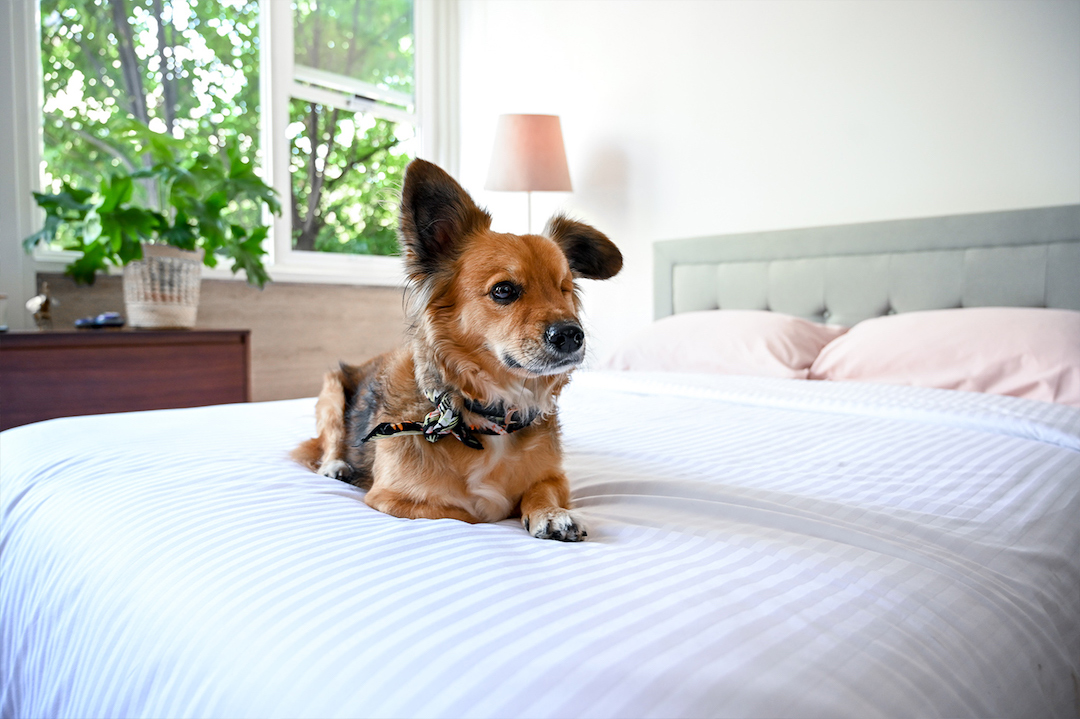
There’s something about a Chihuahua that makes people stop and smile. Maybe it’s those oversized ears, the curious expression, or the way such a tiny dog can walk into a room as though it owns the place. But anyone who has spent time around Chihuahuas knows there’s much more to them than their appearance. These little dogs have opinions, routines, favorite people, and sometimes a surprising amount of courage.
For people considering small dog adoption, Chihuahuas often end up near the top of the list. Their size makes them appealing to apartment dwellers, older adults, and families who prefer a smaller companion. Still, choosing a dog based on size alone can lead to a few surprises. A Chihuahua might fit comfortably in your arms, but that doesn’t mean it will be content spending the whole day being carried around.
People researching Chihuahua puppies in Tennessee may come across breeders such as Dreamers Pups while comparing their options. Others prefer working with local animal shelters or Chihuahua rescue groups. These are different routes to bringing home a dog, and each deserves careful consideration. What matters most is understanding the dog’s background, health, temperament, and the responsibilities that come with ownership.
Table of Contents
Why Are So Many People Interested in Small Dog Adoption?
A smaller home doesn’t necessarily mean someone wants a quieter or less active life. Sometimes people simply want a companion that can join them on everyday errands, settle beside them during a movie, and feel comfortable in a modest living space.
Small dogs can suit those preferences, although their personalities vary considerably. A Chihuahua may enjoy sleeping under a blanket for hours and then suddenly race around the living room because someone picked up its favorite toy.
Another reason people consider smaller breeds is the practical side of ownership. Small dogs generally eat less food than large breeds, need smaller beds and carriers, and can be easier to transport. However, veterinary care, dental treatment, vaccinations, and emergency expenses can still be substantial.
It’s worth thinking beyond convenience. The better question isn’t whether a Chihuahua fits your apartment. It’s whether its personality and needs fit your everyday life.
The Chihuahua Personality Is Bigger Than You Might Expect
Chihuahuas are often described as loyal, alert, and affectionate. Those descriptions are useful, but they don’t tell the whole story.
Some Chihuahuas greet visitors with enthusiasm. Others prefer to observe strangers from a safe distance before deciding whether to approach. A few become deeply attached to one person and follow them from room to room.
Their behavior is influenced by genetics, early experiences, socialization, and training. That’s why meeting an individual dog, when possible, tells you more than relying entirely on breed descriptions.
One common mistake is assuming that a tiny dog doesn’t need much training. In reality, Chihuahuas benefit from learning the same basic skills as larger dogs. Coming when called, walking comfortably on a leash, and remaining calm around visitors can make everyday life easier for everyone.
And yes, they can bark. Sometimes quite enthusiastically.
Should You Adopt a Chihuahua Puppy or an Adult Dog?
Puppies are appealing for obvious reasons. They’re playful, curious, and constantly learning. Raising one also gives you the opportunity to introduce household routines from an early age.
But puppies require patience. House training takes time, sleep schedules can be unpredictable, and chewing is a normal part of development. Young Chihuahuas are also physically delicate, which means families need to be particularly careful about falls, rough handling, and accidental injuries.
Adult Chihuahuas deserve just as much consideration.
An older dog may already understand household routines or have a more established temperament. Shelter staff or foster caregivers can sometimes explain how an adult Chihuahua behaves around other animals, visitors, and children.
For someone who works from home and enjoys training, a puppy might be a reasonable choice. For someone seeking a calmer companion, an adult dog could be a better match.
Neither option is automatically easier. It depends on the individual dog.
What Does Chihuahua Adoption Actually Cost?
The initial adoption fee or purchase price is only one part of the expense.
Shelter adoption fees vary by organization and may include vaccinations, microchipping, or spaying and neutering. Puppies obtained from breeders usually involve different upfront costs, and owners should ask exactly what veterinary care and documentation are included.
Then there are the ordinary expenses that continue long after the dog arrives.
Food, veterinary appointments, parasite prevention, grooming supplies, toys, bedding, and dental care all belong in the budget. Chihuahuas are particularly worth watching for dental problems because their small mouths can make crowded teeth more common.
Unexpected medical treatment can also be expensive, regardless of the dog’s size.
Before bringing a Chihuahua home, it’s sensible to calculate what you can comfortably spend each month and keep something aside for emergencies.
Finding a Chihuahua Through a Shelter, Rescue, or Breeder
There isn’t just one place to begin looking for a Chihuahua.
Animal shelters and breed-specific rescues are worth contacting, particularly if you’re open to adopting an adult dog. Some rescue organizations place dogs in foster homes, where caregivers can observe their behavior in everyday surroundings.
If you’re considering a breeder, take time to understand how the puppies are raised. Ask about the parents’ health, veterinary records, early socialization, and what happens if an owner can no longer care for the dog.
A responsible breeder should welcome thoughtful questions rather than pressure someone into making an immediate decision.
Be cautious about anyone who refuses reasonable requests for information, offers no health documentation, or insists on payment before providing enough details to evaluate the situation.
Whether you’re dealing with a shelter, rescue, or breeder, transparency matters more than an attractive photograph.
Preparing Your Home for a Chihuahua
A Chihuahua doesn’t need a mansion. It does need a safe environment.
Start by looking at your home from the perspective of a dog that stands only a few inches off the ground. Gaps behind furniture, exposed electrical cords, small objects, and accessible household chemicals can all become hazards.
High furniture deserves attention, too. Jumping from beds or sofas can cause injuries, especially in very small puppies.
A comfortable sleeping area, appropriately sized harness, food and water bowls, and a few safe toys are enough to get started. You don’t need to buy every accessory in the pet shop.
It’s also helpful to establish a quiet place where the dog can rest without being disturbed.
Chihuahuas may be small, but they still need personal space.
Can Chihuahuas Live Happily With Children and Other Pets?
They certainly can, although successful introductions depend on the animals and people involved.
A Chihuahua that has positive experiences with children may become a wonderful family companion. However, young children don’t always recognize how easily a small dog can be hurt.
Adults should supervise interactions and teach children to let dogs approach voluntarily, avoid grabbing them, and leave them alone while sleeping or eating.
Living with other pets requires similar care.
A calm, well-socialized Chihuahua may share a home comfortably with another dog or even a cat. But a large, energetic dog can accidentally injure a Chihuahua during rough play.
Slow introductions, separate resting spaces, and close supervision are much safer than assuming animals will immediately become friends.
Small Dogs Still Need Exercise and Mental Stimulation
It’s easy to imagine that a Chihuahua gets enough exercise simply by walking around the house.
That isn’t always true.
Most healthy adult Chihuahuas benefit from regular walks, opportunities to sniff and explore, and short play sessions. The appropriate amount of activity depends on age, health, and individual energy levels.
Mental stimulation matters just as much.
A simple food puzzle, a short training session, or a game of finding hidden treats can keep a Chihuahua occupied without requiring a large backyard.
Training should be consistent but gentle. Rewarding desired behavior tends to work better than shouting or punishment, especially with dogs that are easily startled.
A Chihuahua that feels secure and understands its routine is often easier to live with than one that is constantly confused about expectations.
Questions Worth Asking Before Bringing a Chihuahua Home
Excitement can make it tempting to overlook practical details, especially when you’ve found a dog you already adore.
Before making a commitment, find out what the dog currently eats, whether it has received age-appropriate veterinary care, and whether any health concerns have been identified.
Ask how the dog responds to unfamiliar people and other animals. If you’re considering a puppy, ask about its early environment and the health of its parents.
For an adult rescue dog, learn as much as possible about its previous living situation without expecting the organization to know every detail.
It’s also worth discussing your own routine. Will the dog spend long hours alone? Is there someone available for regular bathroom breaks? Can you provide appropriate care during vacations or emergencies?
These questions might seem less exciting than choosing a name, but they can prevent serious difficulties later.
Understanding the Breed Before Making a Decision
Reliable breed information can help prospective owners separate common assumptions from realistic expectations. The American Kennel Club, available at AKC.org, provides information about Chihuahua characteristics, temperament, grooming, and general breed considerations. It’s a useful starting point, although individual dogs may behave differently from typical breed descriptions. A veterinarian can offer more specific advice about health concerns, preventive care, and the needs of a particular dog.
A Good Match Matters More Than a Perfect Photograph
Bringing home a Chihuahua should feel exciting, but it shouldn’t be rushed. A dog that looks adorable in a photograph may have needs that don’t suit every household, and a shy adult Chihuahua might turn out to be exactly the companion someone has been hoping to find. Take the time to ask questions, consider your daily routine, and meet the dog whenever possible. The best adoption decisions aren’t made because a dog is tiny or fashionable. They’re made because a person is ready to offer that dog a safe, caring home for years to come.
Popular Posts
 How to Start Your Dog on Mushroom Powder: A Six-Week Feeding Protocol
 Bones and Chews: What’s Actually Safe, and What Sends Dogs to Surgery
 Choosing Healthy Bully XL Puppies: Signs of a Reputable Breeder and Strong Bloodlines
 Understanding Dog and Cat Euthanasia: Compassion, Process, and Modern Considerations
 Fresh, Raw, or Kibble? Comparing the Most Popular Dog Food Types
 ¿Estás Cometiendo Estos 5 Errores con tu Mascota sin Saberlo?
 From Wax to Worry: How to Tell If Your Cat’s Ear Discharge Signals Infection
 Fresh Breath and Healthy Teeth: The Complete Guide to Dog Oral Hygiene
 The Role of Personal Protection Dogs in Modern Society
 How Dogs Enrich Our Lives and We Enrich Theirs in Return
 Are Goldendoodles Good Beginner Dogs?
 Exploring the Three Fundamental Types of Anti-Barking Collars
 Dog collars vs. Harnesses: Which Is Right For Your Pup?
 How to Use Treats When Training a Dog
 The History Of Dog Collars
 The Best Puppy Food For Goldendoodles
 People Prefer Using The Best Harnesses For Their Beloved Pets
 The Best GPS Collars to Buy For Your Dog: 3 Key Points to Consider When Choosing One
 How Can You Socialise a Dog with Other Dogs?
 How To Train Your German Shepherd Puppy
Latest Posts
 7- Days Keto Diet And Work Plan. How Can Pets Be Accompanied For Effective Weight Loss?
 How to Become a Veterinarian
 Best Ways To Handle Separation Anxiety In Dogs By Pet Sitters
 Cbd Dosage For Pets
 If Your Pet Is Not Comfortable, It Will Not Be Happy
 What Are The Common Feline Diseases Found And How To Treat It?
 CBD Gummies – How Did It All Start?
 Three Things To Take Care While Feeding Poultry
 How To Achieve A Tranquil Expulsion Of Pets In 2018?
 Eye Disease in Lovebirds – Causes and Treatment
 Four Signs It’s A great opportunity to Change Pet Nourishment
 Feline Versus Canine – Which Is Ideal for You?