
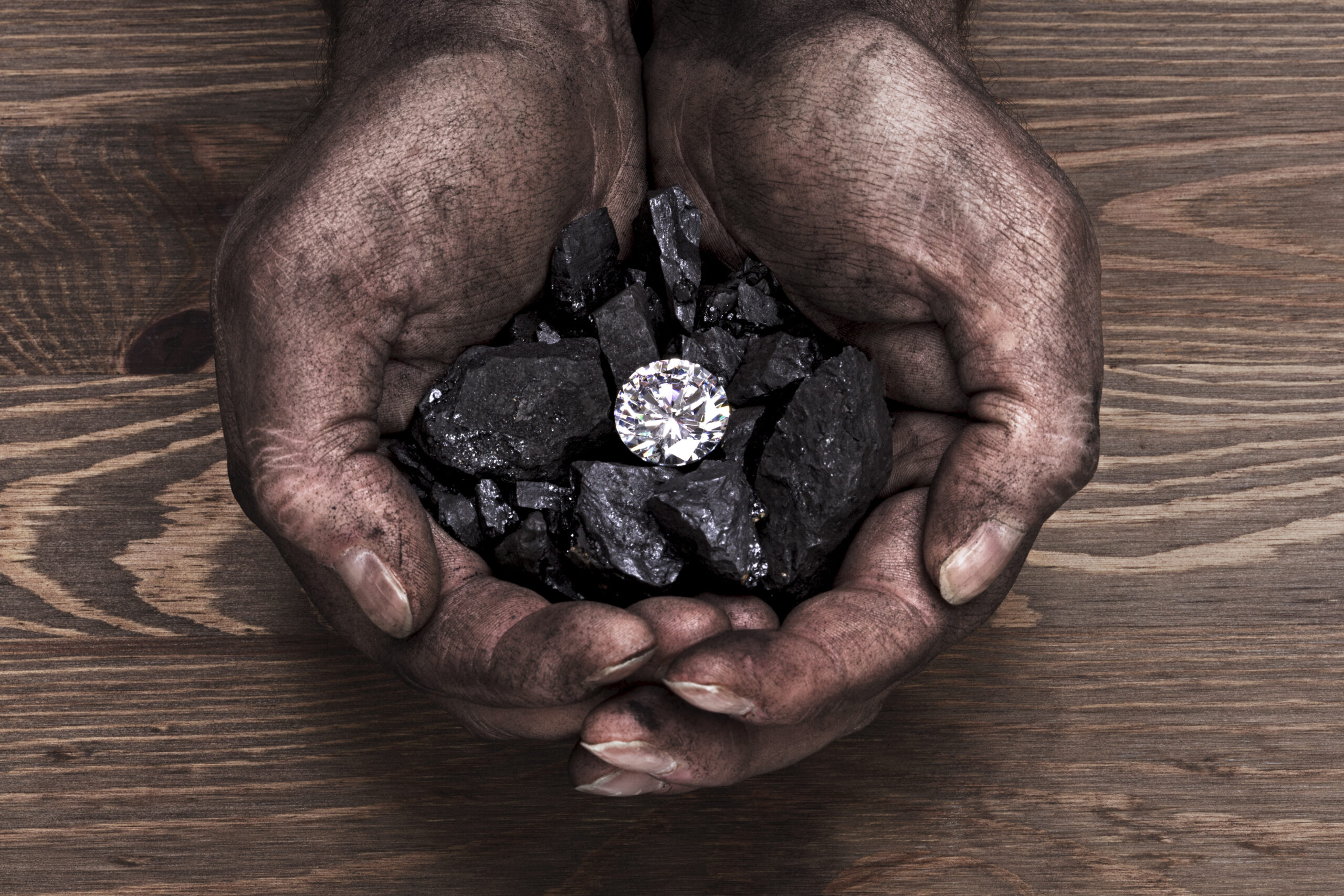
Mined Diamonds Are Not Rare: Uncovering the Truth About the Diamond Industry
Diamonds have long been seen as rare and precious, but is that really the case? We’ve all heard that diamonds are forever, and their sparkle can light up any room. Yet beneath the glittery surface, there’s a different story that often goes untold. If diamonds are so scarce, why are there so many on the market? In this article, we’ll dig deep into the truth about diamonds, explore the diamond industry, and discover why mined diamonds might not be as rare as we’ve been led to believe.
Table of Contents
The Myth of Diamond Rarity
Diamonds have a reputation for being rare and valuable. For decades, marketing campaigns have reinforced the idea that diamonds are the ultimate symbol of love and commitment, worth a small fortune. But here’s the kicker: diamonds aren’t actually that rare in nature. In fact, they’re quite abundant.
The idea of diamond rarity was carefully crafted by diamond companies, primarily De Beers, in the early 20th century. By controlling diamond supplies and using clever marketing strategies, they created a perception of scarcity. This perception has fueled man made diamonds, allowing companies to keep prices high, even as more diamonds are extracted from the earth.
Diamond Mining and Its Global Reach
Mining diamonds is a major industry, with operations spanning the globe. From South Africa to Canada and Russia to Australia, diamond mines are churning out millions of carats each year. The scale of these operations is staggering, with modern technology making it easier than ever to locate and extract diamonds.
In countries like Botswana, diamond mining has significantly contributed to economic growth. Yet the sheer volume of diamonds produced by these massive mines is a stark reminder that they’re not as rare as we might think. If diamonds were genuinely scarce, the industry wouldn’t be able to operate on such a vast scale.
The Environmental and Social Costs of Diamond Mining
Diamond mining comes with a hefty environmental and social cost. To access these gemstones, large-scale mining operations often strip away topsoil, disrupt ecosystems, and cause significant pollution. Additionally, many diamond mines are located in regions with political instability or human rights concerns, leading to ethical questions about the industry’s practices.
Take, for example, “blood diamonds” or “conflict diamonds.” These are diamonds mined in war zones and sold to finance armed conflict against governments. The Kimberley Process, an international certification scheme, was established to address this issue, but it’s not foolproof. These ethical concerns add another layer to the debate about the rarity and desirability of mined diamonds.
Lab-Grown Diamonds: A Sustainable Alternative
Given the environmental and ethical issues associated with mined diamonds, the rise of lab-grown diamonds is a welcome development. Lab-grown diamonds are chemically identical to mined diamonds, and they’re produced in controlled environments with significantly lower environmental impact. They also sidestep the ethical issues tied to conflict diamonds, providing a guilt-free option for consumers.
Lab-grown diamonds are also more affordable than their mined counterparts, challenging the long-standing notion that diamonds are rare and expensive. As technology advances, lab-grown diamonds are becoming more accessible, further challenging the traditional diamond industry’s narrative.
The Future of the Diamond Industry
The future of the diamond industry looks very different from its past. With the increasing popularity of lab-grown diamonds and growing awareness of the ethical and environmental issues surrounding mined diamonds are not rare, consumers are rethinking their choices. The shift toward more sustainable and ethical options could lead to a significant transformation in the industry.
As we’ve seen, mined diamonds aren’t as rare as they seem. The notion of diamond rarity has been carefully manufactured, but the reality is that millions of diamonds are mined every year. As we become more conscious consumers, it’s up to us to decide whether we still want to buy into the myth or embrace new alternatives that reflect our values. So, the next time you consider purchasing a diamond, ask yourself: is it truly rare, or just part of a well-crafted story?
Popular Posts
 How to Start Your Dog on Mushroom Powder: A Six-Week Feeding Protocol
 Bones and Chews: What’s Actually Safe, and What Sends Dogs to Surgery
 Choosing Healthy Bully XL Puppies: Signs of a Reputable Breeder and Strong Bloodlines
 Understanding Dog and Cat Euthanasia: Compassion, Process, and Modern Considerations
 Fresh, Raw, or Kibble? Comparing the Most Popular Dog Food Types
 ¿Estás Cometiendo Estos 5 Errores con tu Mascota sin Saberlo?
 From Wax to Worry: How to Tell If Your Cat’s Ear Discharge Signals Infection
 Fresh Breath and Healthy Teeth: The Complete Guide to Dog Oral Hygiene
 The Role of Personal Protection Dogs in Modern Society
 How Dogs Enrich Our Lives and We Enrich Theirs in Return
 Are Goldendoodles Good Beginner Dogs?
 Exploring the Three Fundamental Types of Anti-Barking Collars
 Dog collars vs. Harnesses: Which Is Right For Your Pup?
 How to Use Treats When Training a Dog
 The History Of Dog Collars
 The Best Puppy Food For Goldendoodles
 People Prefer Using The Best Harnesses For Their Beloved Pets
 The Best GPS Collars to Buy For Your Dog: 3 Key Points to Consider When Choosing One
 How Can You Socialise a Dog with Other Dogs?
 How To Train Your German Shepherd Puppy
Latest Posts
 7- Days Keto Diet And Work Plan. How Can Pets Be Accompanied For Effective Weight Loss?
 How to Become a Veterinarian
 Best Ways To Handle Separation Anxiety In Dogs By Pet Sitters
 Cbd Dosage For Pets
 If Your Pet Is Not Comfortable, It Will Not Be Happy
 What Are The Common Feline Diseases Found And How To Treat It?
 CBD Gummies – How Did It All Start?
 Three Things To Take Care While Feeding Poultry
 How To Achieve A Tranquil Expulsion Of Pets In 2018?
 Eye Disease in Lovebirds – Causes and Treatment
 Four Signs It’s A great opportunity to Change Pet Nourishment
 Feline Versus Canine – Which Is Ideal for You?